
Note: This one is really long but I felt like these folks deserved it.
If you’re a true cemetery hopper, you don’t miss an opportunity to stop at a cemetery if you’re on a road trip.
This is something I don’t usually do with my family unless it’s a longer excursion. I sometimes do it with friends who indulge my mania. But it’s best if I’m on my own when I choose to do it on the spur of the moment.
I was alone on my drive home from Florida in February 2020 when I stopped in Dothan, Ala. to grab lunch. On impulse, I looked on Find a Grave to see if there were any cemeteries worth stopping for nearby.
The closest one was a place listed as the Houston County Poorhouse Cemetery (HCPC). That got my attention.
Usually, cemeteries for “poor farms” and “poorhouses” are full of unmarked graves. It’s often a bare plot of land where the dead are buried but no markers were placed. Sometimes, there’s one large marker memorializing the lives of those there. Maybe some names. Maybe not. As a result, I don’t usually stop at them because so little is known. And frankly there’s not much to see.
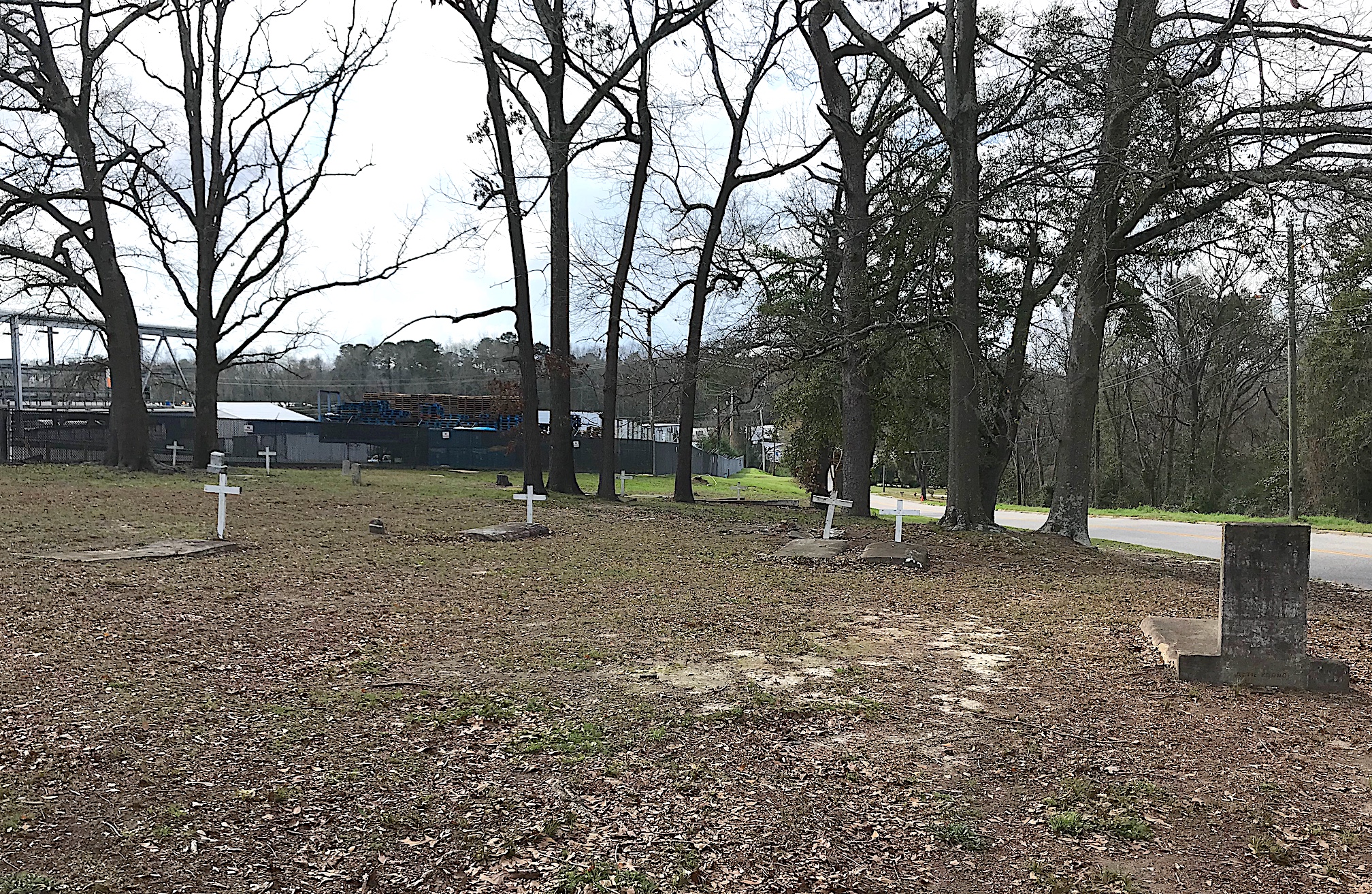
The HCPC is located next to a chicken processing plant. It is small but it does have a few marked graves. The fact that it’s still there says something.
Poorhouses/Poor Farms/Almshouses
So what is a poorhouse? Back in the day, poorhouses (or “poor farms” in some cases) were places where the destitute (often elderly) might end up if they had no family to help them. Some of these institutions were big, others small. Such facilities were also called almshouses (more commonly in England). By the end of the 1920s, they were starting to fade out in Alabama.
By 1937, 63 percent of the residents of Alabama poorhouses were above age 65 and qualified for pensions. FDR’s Social Security checks began hitting mailboxes the same year.
I don’t know when the HCP opened or when it closed. From the newspaper articles I could find, it was in operation in the 1910s and 20s. There was a flurry of articles in the Dothan Eagle in 1928 and 1929 about deteriorating conditions.
As the number of HCP residents shrank and the Great Depression dragged on, I think it was closed by the early 1930s. Again, I don’t know for sure.
More Questions Than Answers
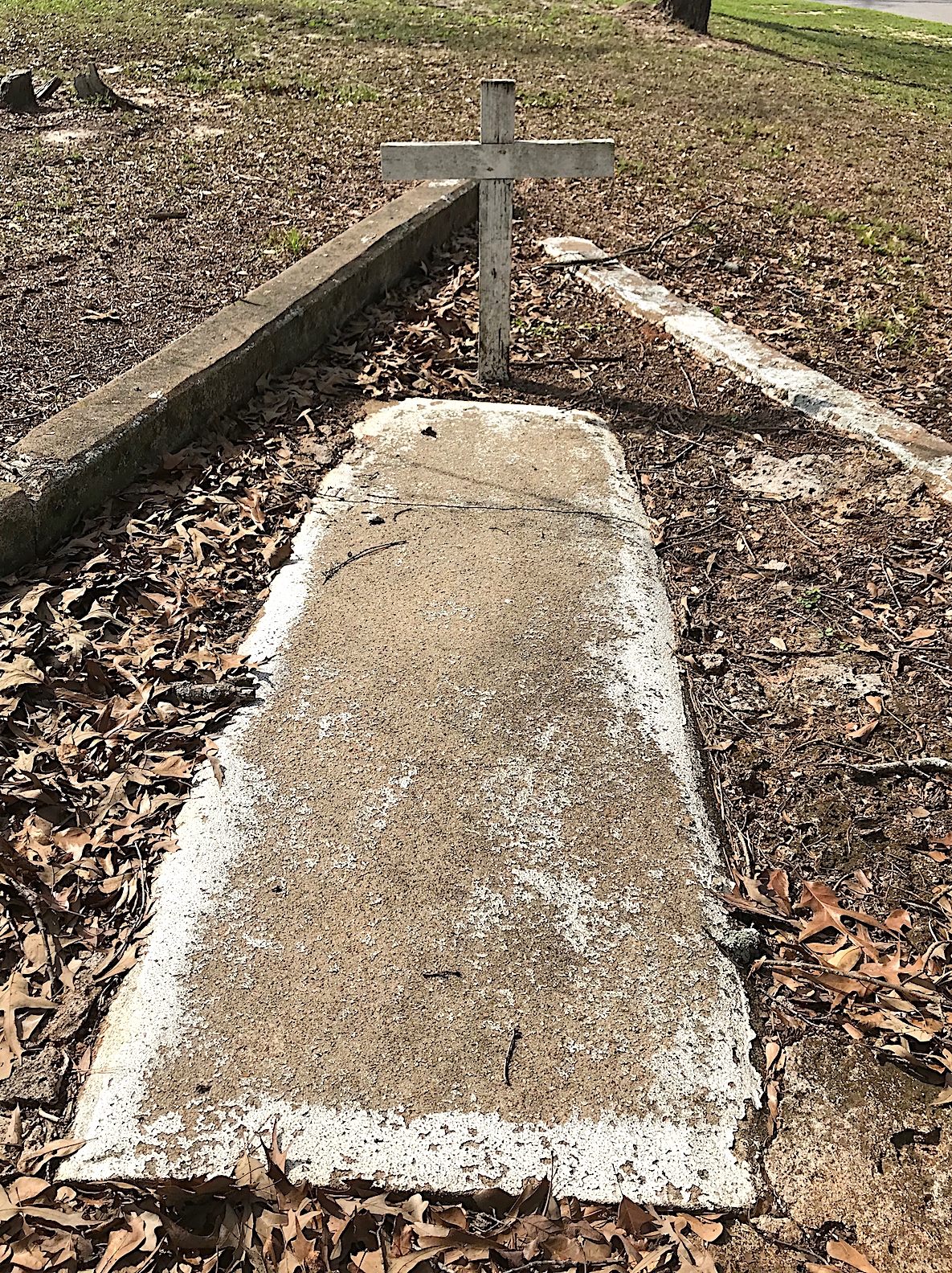
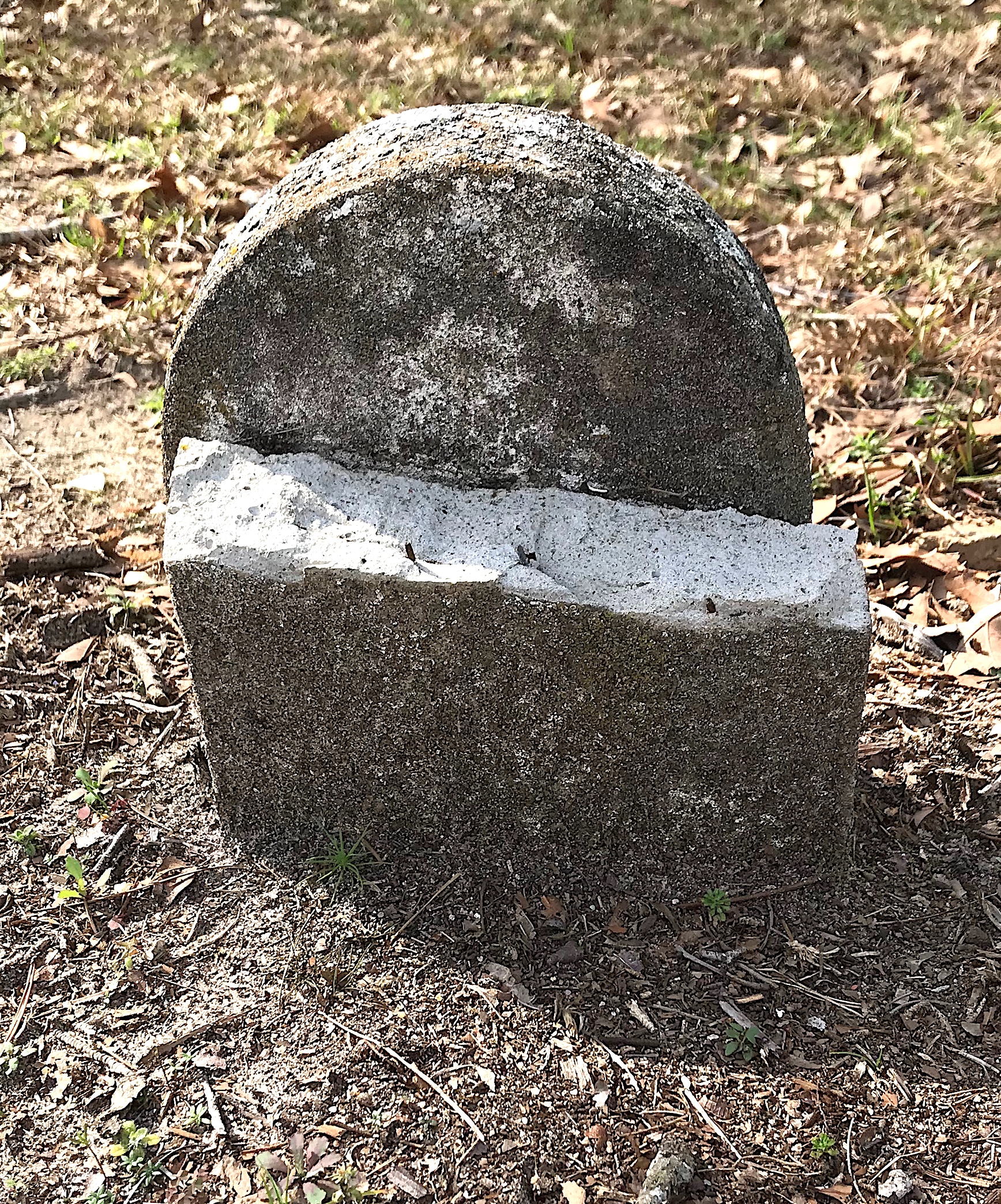
There are only 10 graves inscribed with names at the HCPC. Six bear the last name Gilbert. Some graves just have a blank slab with a wooden cross. The photo below is one example of what I mean.
Of the Gilbert family, there are graves for: two different George Gilberts, L. Gilbert, Lucille Gilbert, Luella Gilbert, and Tommie Gilbert. They were all African-Americans. For those who do much genealogy research, finding records for people of color can be challenging.
The remaining graves are for Hattie Koonce Hayes, Nancy Ann Jeffords, Pvt. Cleveland Merrell, and William “Willie” Smith.
The only conclusion I feel I can safely draw is that only one of these individuals is known to have actually lived at the HCP during their lifetime. The rest? Well, here’s what I came up with.
The Gilberts
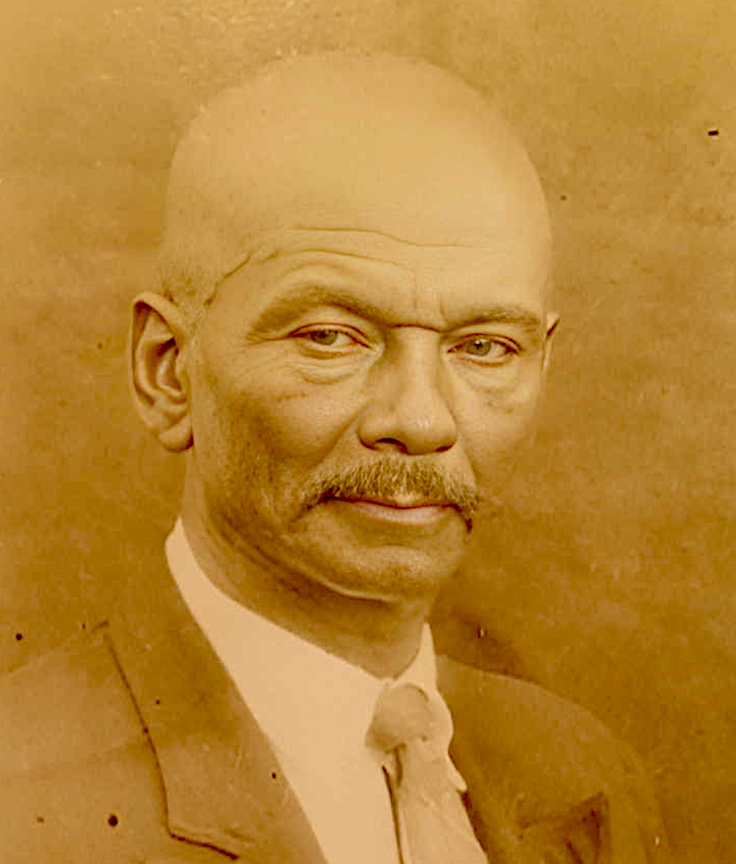
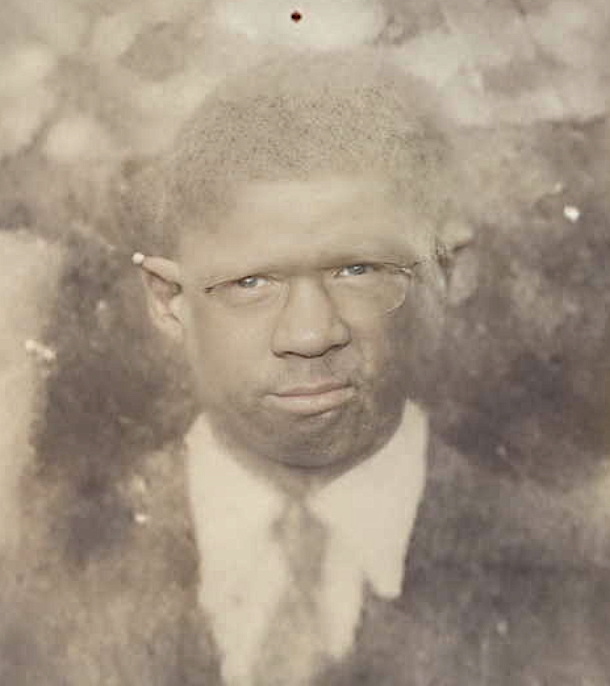
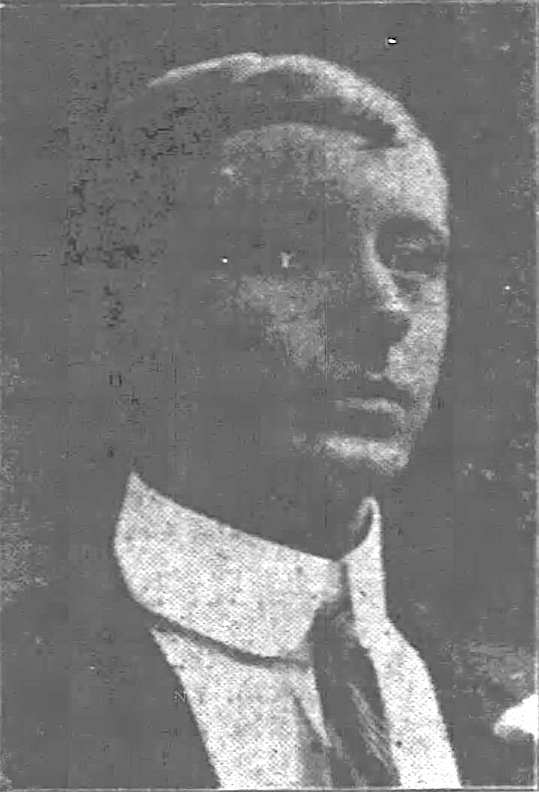
Let’s start with Georgia native George Pearce Gilbert, Sr. Born in 1869, he married Luella “Ella” Powell. They eventually made it to Dothan, Ala, by 1900. He and Ella had several children together. Below is a photo I found of him on Ancestry. His Find a Grave memorial says he was born in 1879 but he appears in the 1870 U.S. Census.
By 1920, George Sr. and two of his sons (Lonnie and George Jr.) were working for the railroad. It appears he continued to work for the next two decades. He died at age 77 on June 10, 1947. By this time, the HCP would have been closed.
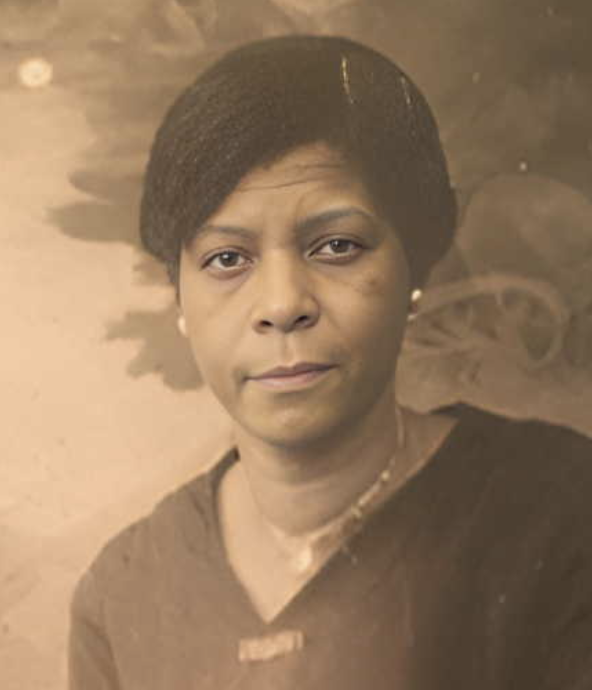
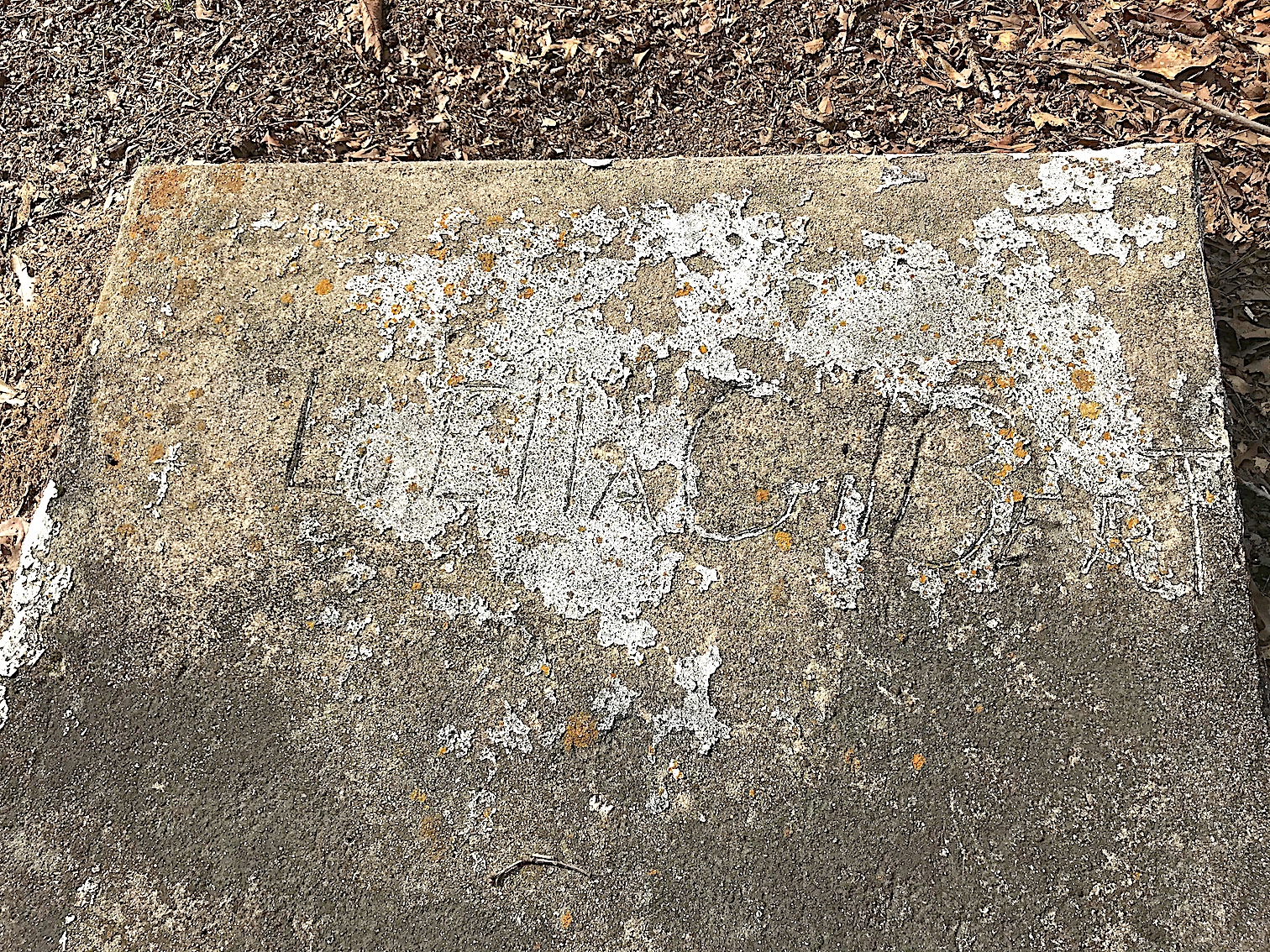
Ella passed away before he did on March 29, 1942. She was 63. Pictured below is what I believe is her grave. Only her name is on it with no dates.
George Sr. and Ella had a daughter who was also named Ella in 1924, but she didn’t die until 2025. This would not be her grave.
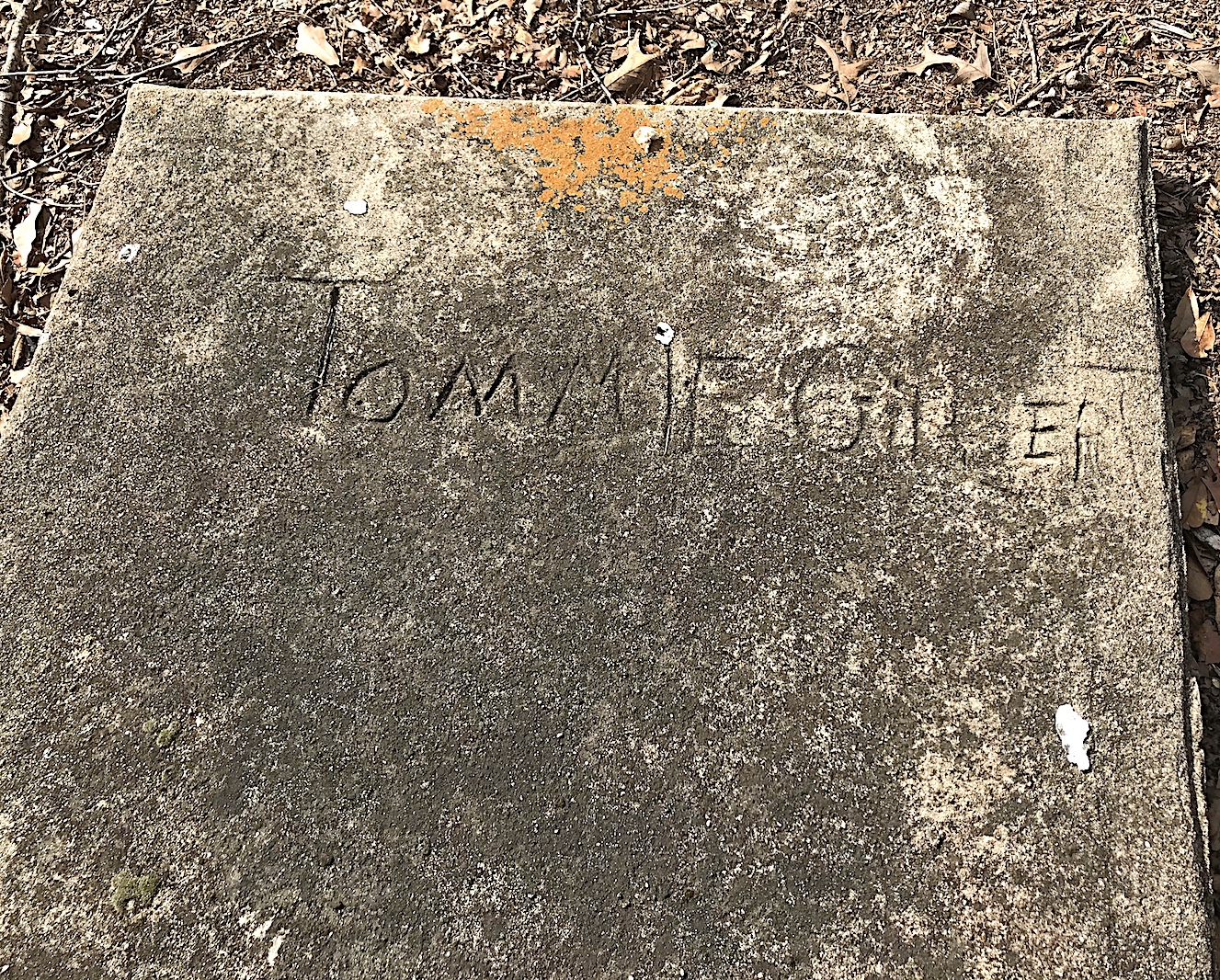
Then there was George Sr. and Ella’s son Tommie Gilbert, born in 1917. Unlike the others, I was able to locate a brief article about him.
He died a tragic death on May 3, 1936. Tommie was enjoying some time with his friends and went swimming in Golf Creek. According to a Dothan Eagle article, he drowned that day and his body was not recovered until the next morning. Tommie was only 21.
(Note: There were two Lucille Gilberts living in Alabama around the same age at this time so there may be mistakes here.) Lucille Gilbert was born in 1912. She either married or was the common law wife of Willie Wright. According to the 1930 U.S. Census, she was working as a cook and her sister Ora was living with her and Willie (who was working in a cotton mill). They lived next door to her parents, Ella and George Sr,
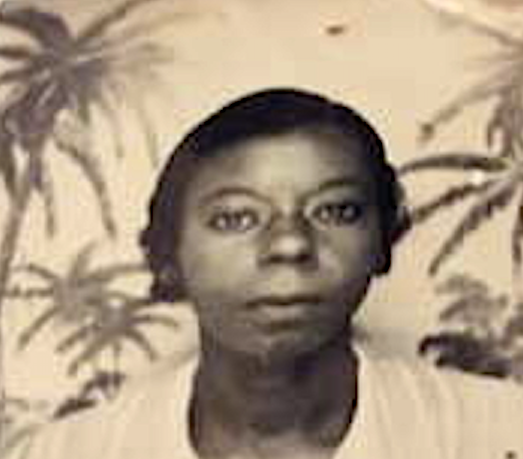
Records indicate Lucille died on Oct. 24, 1946. I don’t know her cause of death. But I do believe this Lucille Gilbert buried here was the child of George Sr. and Ella Gilbert.
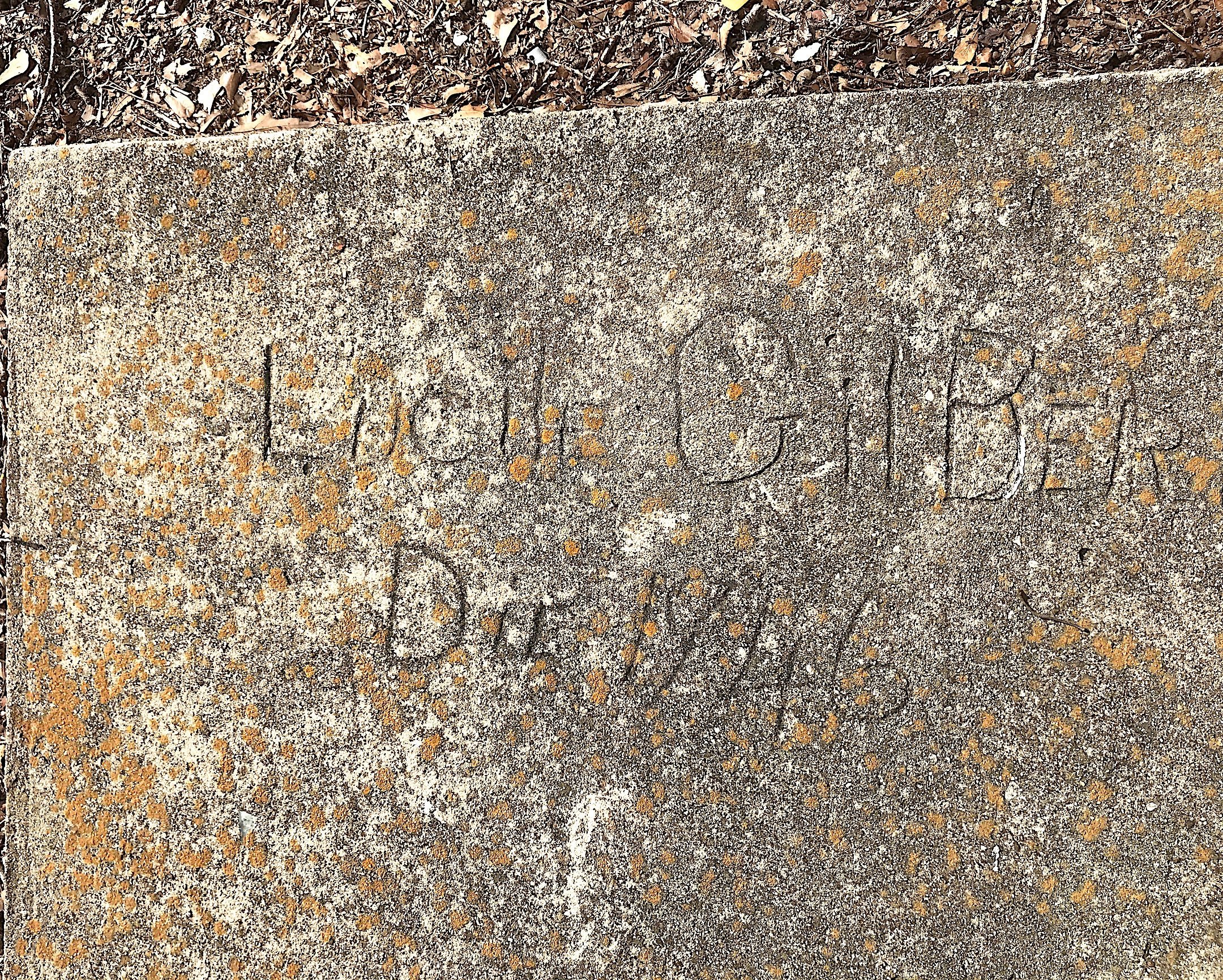
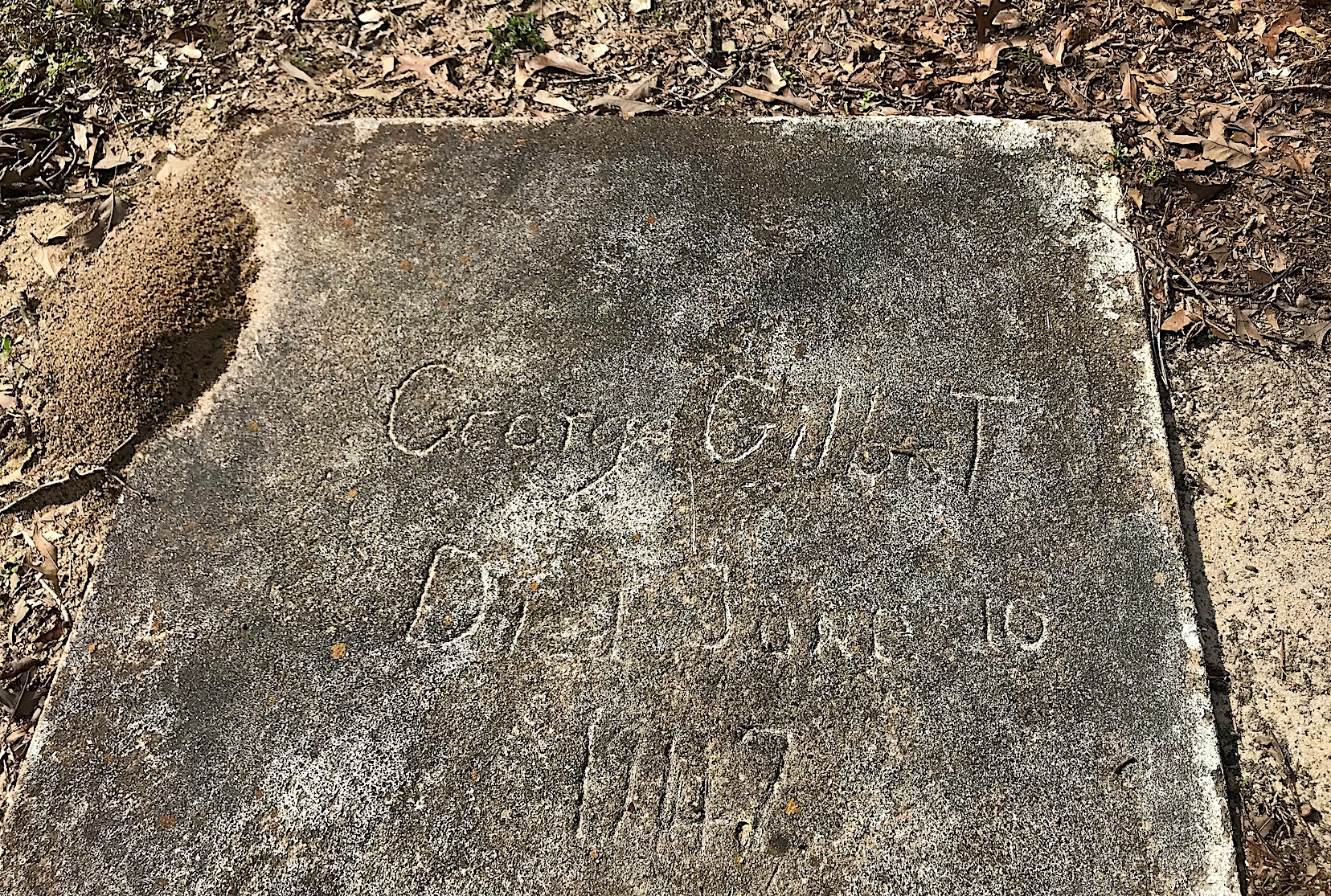
The next Gilbert with a marked grave is who I believe to be George Gilbert Jr., son of George Sr. and Ella. His grave only bears the name “George Gilbert” without a date.
Born in Alabama in 1903, George was fourth in the birth order. He had worked on the railroad but according to the 1930 U.S. Census, he was a fireman. I don’t believe he ever married. He died on May 13, 1932, his cause of death is unknown.
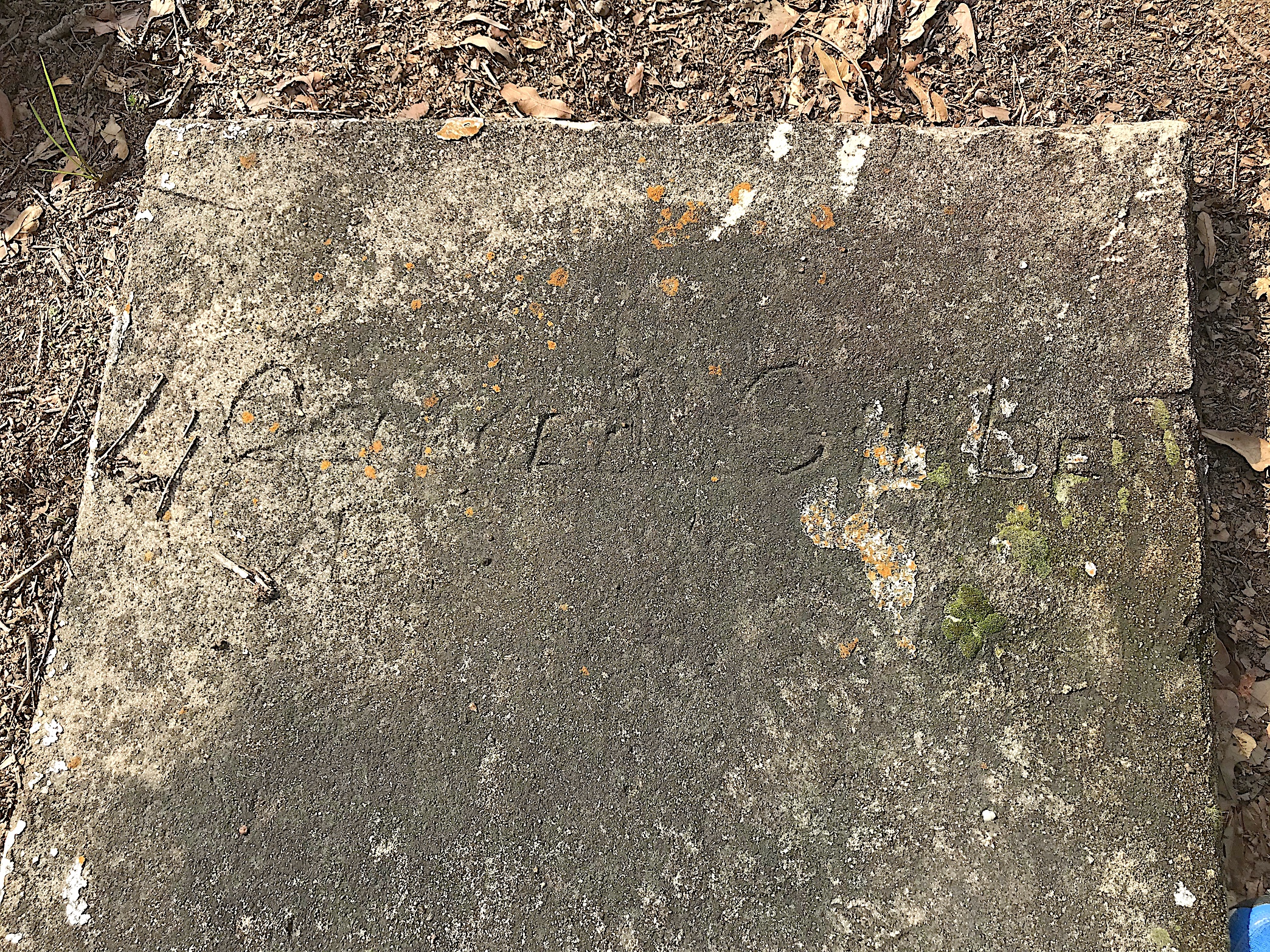
The last Gilbert, whose grave I somehow missed (I don’t know how) was an L. Gilbert who died in 1925. That could only be Lonnie Glibert. He was about 25 and worked as a section hand on the railroad. According to the 1920 U.S. Census, he was married to a woman named Clarisy.
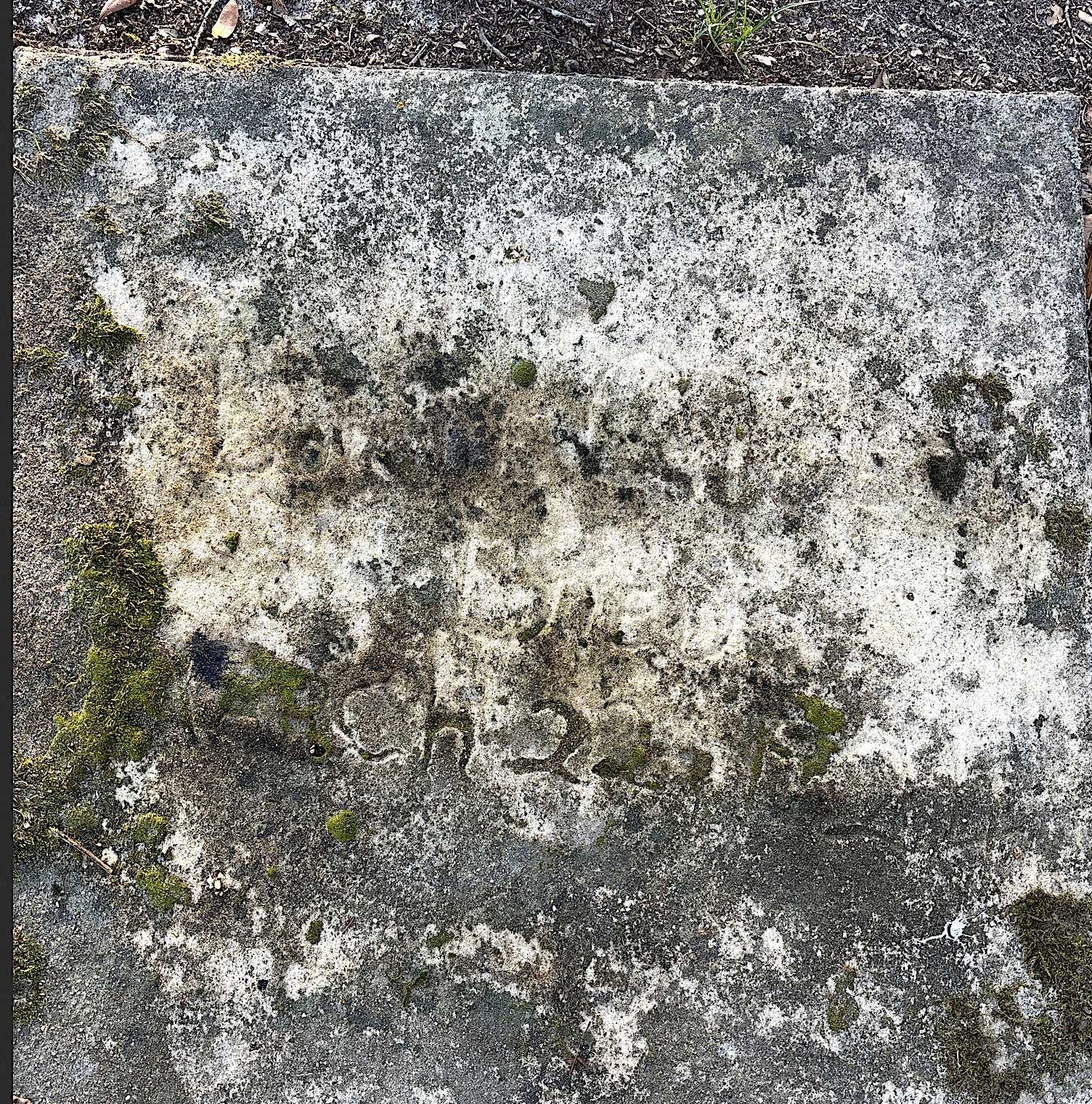
I did find his memorial on Find a Grave with this photo of his grave. It is hard to read and appears to have a date of March 22, 1924. But the Alabama Death Index has his death as being March 25, 1925.
So how did the Gilberts end up here? As far as I know, none of them ever lived at the HCP. Did any of them possibly work there? Maybe but I don’t think so.
The only clue I do have is that when George Gilbert Sr. died in 1947, he was living at 1002 E. Troy Street. He and Ella lived there with their children for many years. The HCPC is located only two miles from that address, so they were certainly near the property.
A Veteran’s Final Rest
As I noted earlier, the remaining graves belong to Hattie Koonce Hayes, Nancy Ann Jeffords, Pvt. Cleveland Merrell, and William “Willie” Smith.
Born on Feb. 10, 1894 in Eufala, Ala., Cleveland Merrell was the son of Frances Merrell. Some records list them as Morrell. His WW I draft card indicates when he entered the U.S. Army in August 1918, he lived in Dothan and was 22 years old. He served as a private in the 437th Reserve Labor Battalion, Co. C. until his discharge on March 14, 1919. The 437th was stationed at Fort McClellan in Anniston, Ala. I don’t believe he served overseas.
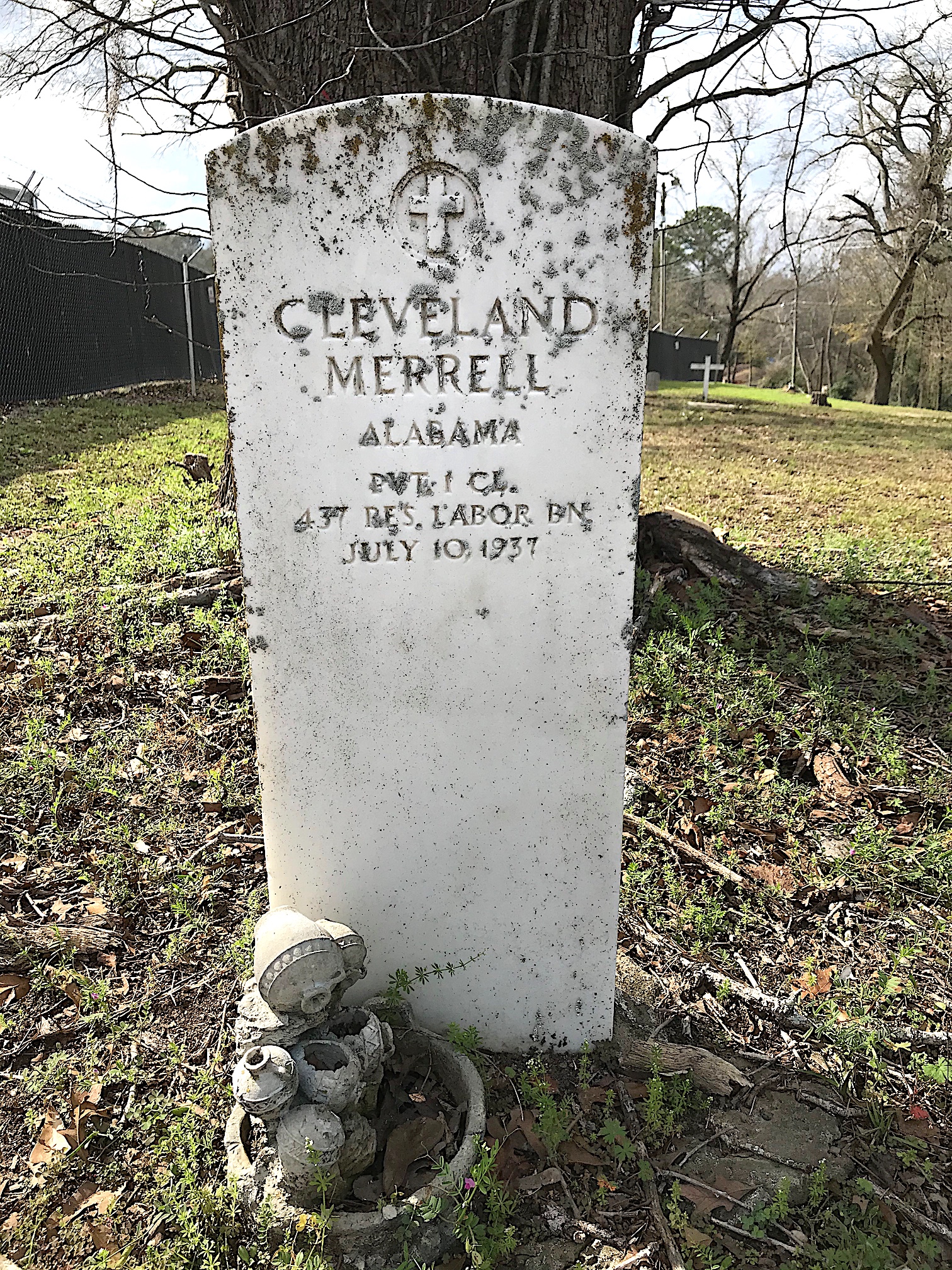
Cleveland doesn’t make an appearance again until 1930 on the U.S. Census. He was working as a pool room manager in Dothan. He showed up in the Oct. 4, 1934 edition of the Dothan Eagle because he was convicted and fined for operating slot machines.
But Cleveland was living on borrowed time. Suffering from tuberculosis, he went to a veterans hospital in Asheville, NC for treatment. He died there on July 10, 1937 at age 43.
His mother, Frances, had already passed away in 1932. She is buried in Dothan’s Beulah Baptist Church Cemetery, about four miles north of the HCPC. According to records, the veteran grave marker produced for Cleveland was supposed to be sent there. Yet he is buried here instead. What happened?
Motorcycle Crash
Born in 1901 in Camilla, Ga., William “Willie” Thomas’ life was cut short at the age of 25. He was living in Dothan near the time of his death. According to the Savannah Tribune, on July 19, 1926, Willie was riding his motorcycle on a bridge in Savannah with a group of others when he was hit by a car. He died the next day from his injuries. The article noted that Willie’s mother, Chester, escorted his body home to Dothan for burial.
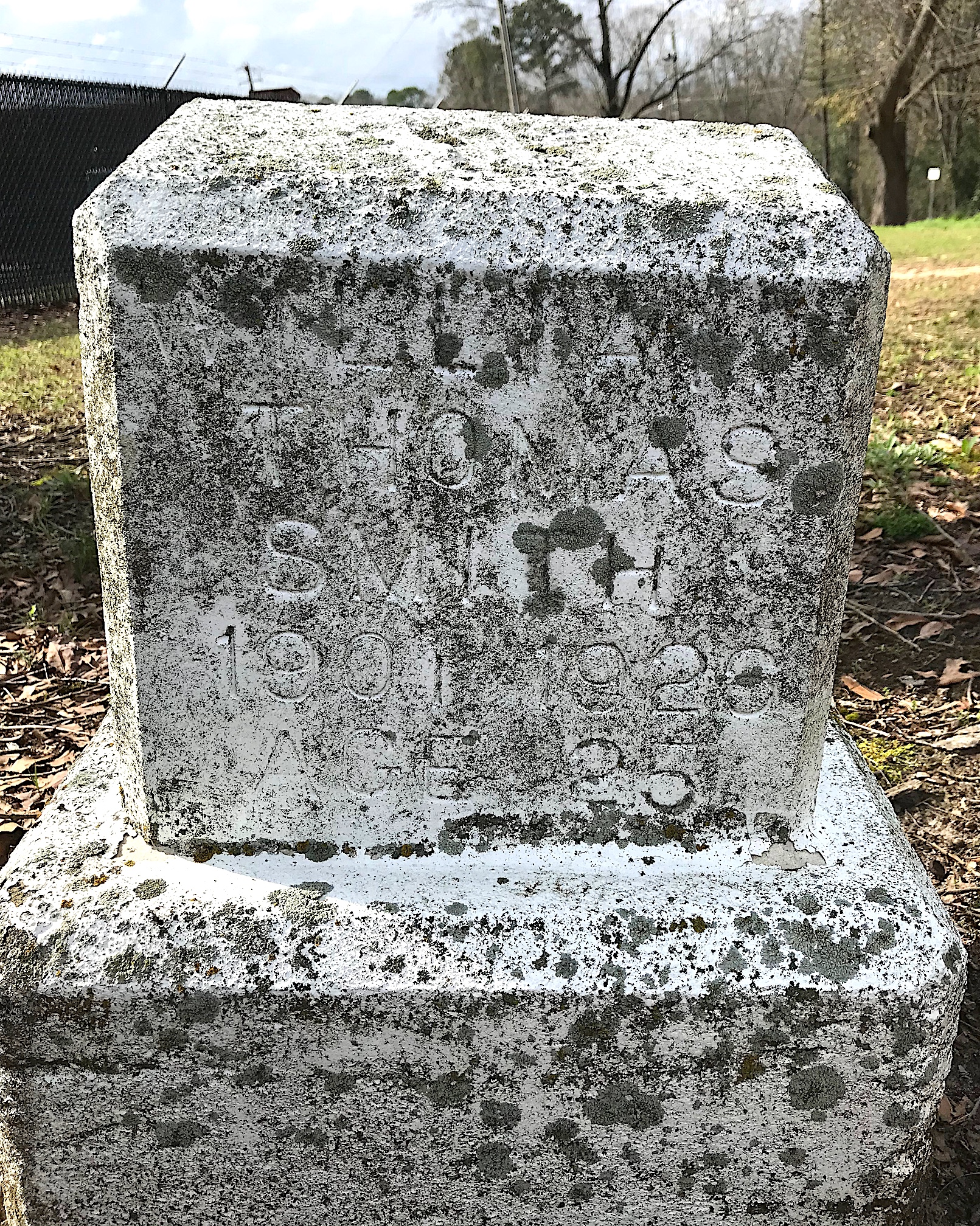
Why was Willie buried here? Did his mother have a connection to the HCP? Again, I don’t know.
A New Marker for Hattie
Hattie Koonce Hayes had one marker when I visited in 2020. I could tell a good deal of thought had gone into it. When I checked Find a Grave recently, I found she had a new one added to it!
Born on either July 1 or July 9, 1901 (the markers have differing birth dates), Hattie was the oldest child of Malachi (or Malichi) Koonce and Lizzy Dawsey Koonce.
Life was not easy for the Koonce family. Malachi was convicted of second degree murder in May 1913 for the November 1912 death of Nina Brown. He escaped on June 25, 1913, captured on July 15, 1913, and died in the state prison in Wetumpka on Dec. 20, 1913. Lizzy was left to take care of their eight children on her own.
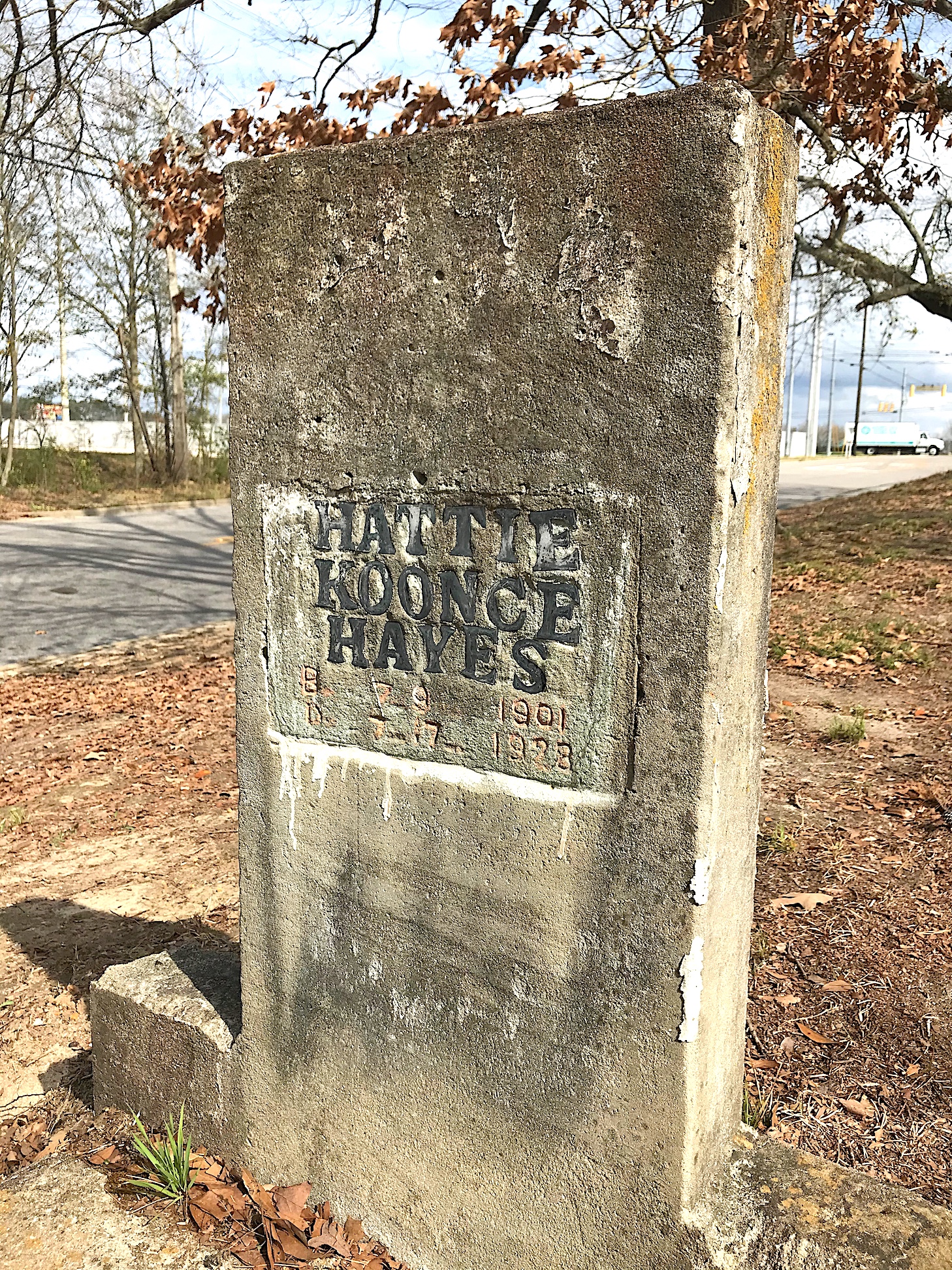
I have little information on Hattie. At some point, she married Walter Stephen Hayes. The two had four daughters together. The only mention of Hattie I could ever find in a newspaper was when she was teaching baking to young girls in a school for black children.
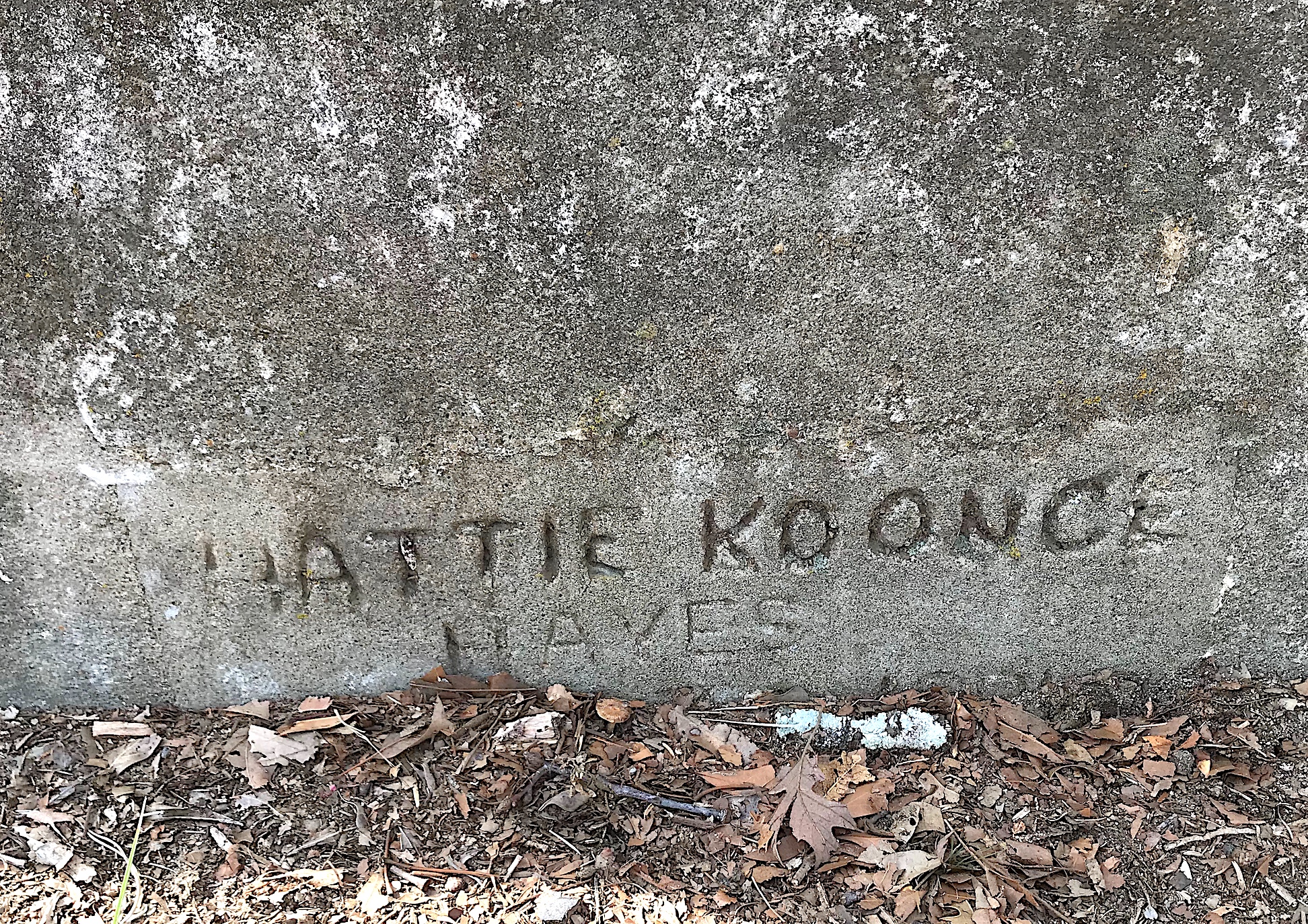
Hattie died on July 21, 1928 at age 27. I have no details about her cause of death. Walter remarried to a woman named Eva the following year and they had a daughter together.
I don’t know when the new marker for Hattie was placed, it must have been sometime before March 2025 when the photo was posted to Find a Grave.
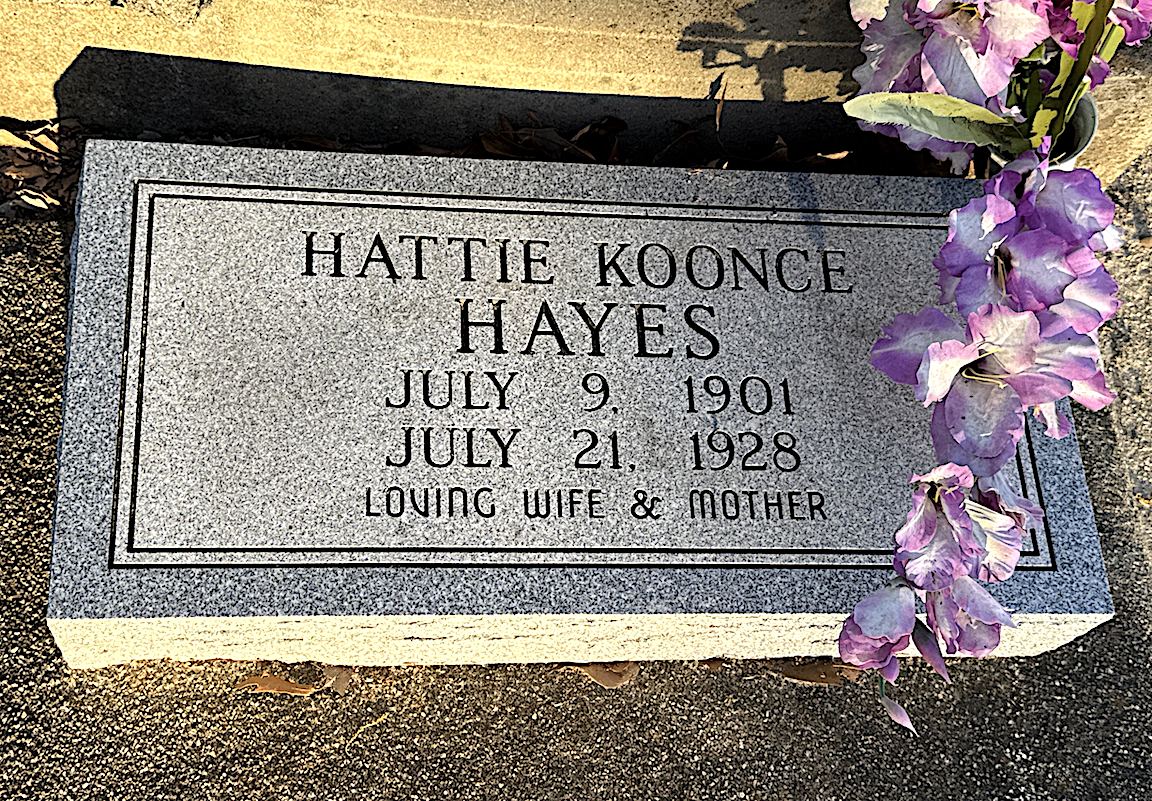
I suspect that one or more of Hattie’s grandchildren may have had this placed. Hattie and Walter’s daughter Katie lived to 97 and died in November 2019, just a few months before I visited the HCPC.
The Confederate Widow
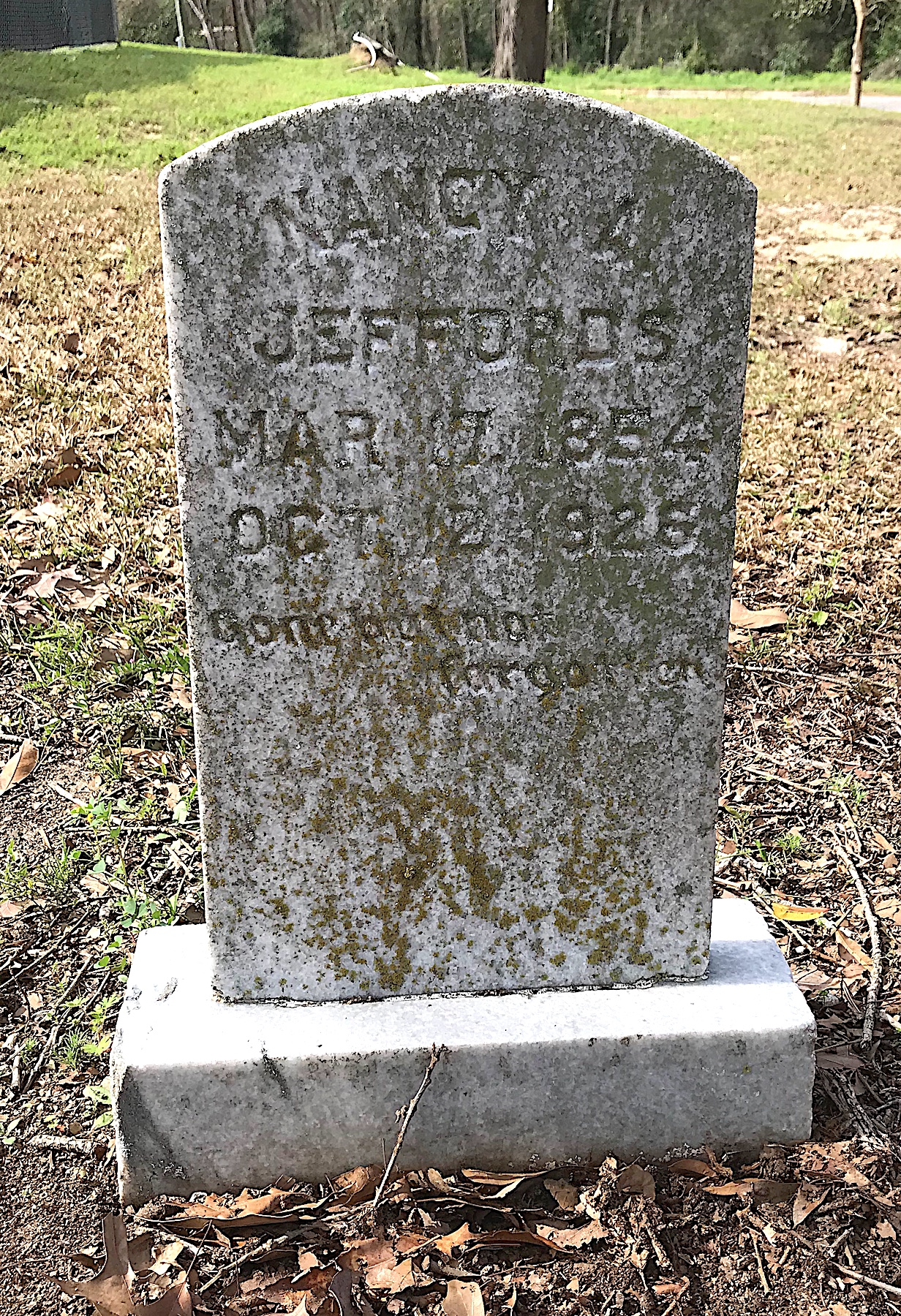
The last person I’m going to talk about is Nancy Ann Jeffords, the only person with a marked grave at the HCPC that I have proof of having lived in the HCP. There is very little known about her beyond what her marker says and a few newspaper articles.
Nancy was born on March 17, 1854. Where that was and who her parents were is unknown. So I don’t know her maiden name. She was married at some point to a man named Henry Green Jeffords, who served in the Confederate Army during the Civil War for South Carolina. I don’t know when he married Nancy but by 1885, he was living in Florida. In 1903, Henry applied for and was granted a pension at age 75. His health was very poor and I’m sure the funds were a Godsend.
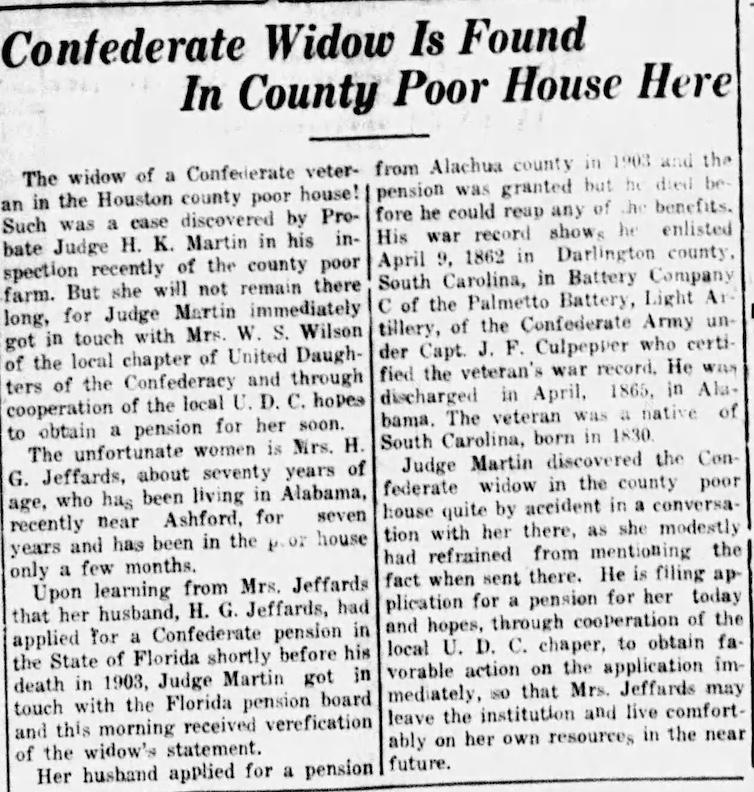
So what do we know about Nancy? It all comes from a few articles in the 1926 Dothan Eagle. Apparently, Nancy arrived at the HCP in June 1926 at age 72 without a penny to her name. She had been married five times at that point. In September, probate judge H.K. Martin did some research and learned that because of her marriage to Jeffords, she was entitled to a quarterly pension worth $22.50.
It’s doubtful she ever got the funds because Nancy died on Oct. 12, 1926. This article claims that she was laid to rest in a “potter’s field” and that she had longed to buy a black silk dress in which to be buried.
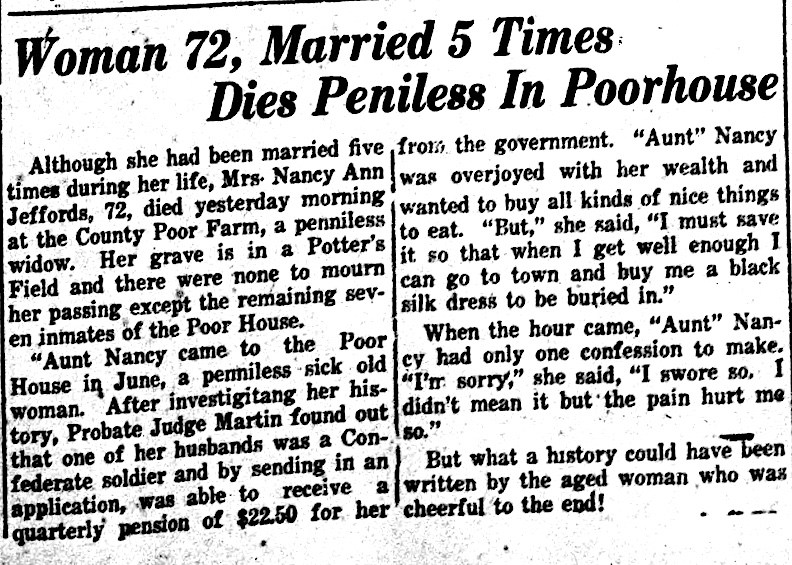
I suspect that the article above may have caused someone (perhaps Judge Martin or the ladies of the local Daughters of the Confederacy) to purchase a marker for Nancy. It’s all that is left to commemorate her life.
I did some digging into Henry Greene Jeffords. From what I could find, he was married three times and had several children. Interestingly, none of them appeared to be named Nancy. Two were sisters, Martha and Henrietta Huggins, and a Martha Woods. Henry died in 1906 in Alachua County and is buried in High Springs, Fla with Henrietta, who died in 1904.
Was Nancy ever married to Henry G. Jeffords? I can only hazard a guess that maybe, just maybe, she married him in that brief period between Henrietta’s death and his own. While there seems to be no proof of it, perhaps it no longer exists. We may never know.
I believe Nancy’s death did bring attention to the plight of those living at the HCP and that because conditions had grown so poor, it was closed by the early 1930s. Articles from 1928 and 1929 describe the sad decline the facility had undergone.
Final Thoughts
Having researched every marked grave in this cemetery, still lacking many answers, I’ve come to a conclusion.
I believe this cemetery is, as the last article above states, a “potter’s field” of sorts. It’s where those who had no place to be buried were taken. Their names rarely, if ever, made the newspaper. They didn’t have money. They were often overlooked or ignored. This was a cemetery for, as some might say, the “least of these.”
It wasn’t only for the residents of the Houston County Poorhouse, although there may be more of them buried here under the nameless markers. We’ll probably never know.
While this all sounds rather sad, this little place is hanging on. Perhaps its proximity to the neighboring plant is what keeps it from being totally abandoned.
The descendants of Hattie Koonce Hayes are still coming to visit her. Her new marker is a testament to that.
May the souls of this humble place never be forgotten.






























 Adventures in Cemetery Hopping